BLOG
What is AnalogJS?
AnalogJS is a Vite powered meta-framework that gives Angular the superpowers it's been missing. It blends speed, simplicity, and fullstack capability so developers can focus on building, not configuring.
From server-side rendering to static site generation, AnalogJS simplifies the complex and streamlines the fullstack experience.
The Core of AnalogJS
The features that make AnalogJS a game changer for Angular developers range from faster rendering to easier routing and content management. Each one is thoughtfully designed to simplify the fullstack workflow.
Here are some features.
1. Enhanced Server-Side Rendering(SSR)
Angular has long supported SSR, but configuring and maintaining it can be challenging. AnalogJS takes SSR to the next level by integrating it directly into the framework with Vite's lightning-fast build system.
This gives developers the same SEO and performance benefits of traditional SSR, but with a simpler setup, faster builds, and a better local development experience.
Basically, AnalogJS makes Server-Side Rendering seamless, helping Angular apps load faster, perform better, and rank higher on search engines. This is especially useful for SEO-driven applications that demand instant visibility and responsiveness.
And because it's powered by Vite, developers enjoy incredibly fast hot reloads and near-instant rebuilds, making the SSR workflow smoother and more enjoyable than ever.
2. Static Site Generation (SSG)
AnalogJS extends SSR with Static Site Generation, allowing pages to be pre-rendered at build time. The output? Blazing fast 🚀 static files ready to deploy anywhere. You get all the benefits of Angular’s power with the simplicity of a static site. No extra setup, no heavy runtimes, basically pure performance.
3. File Based Routing
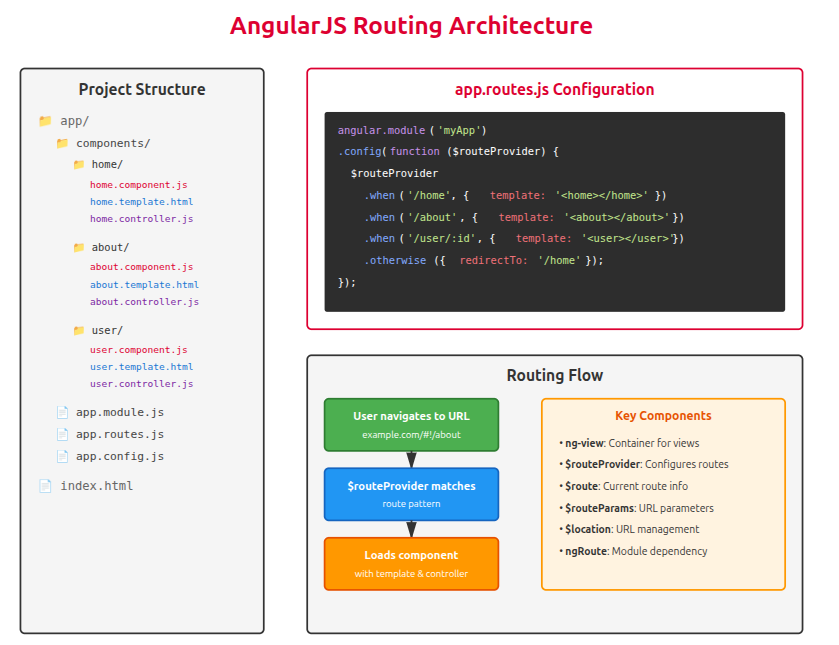
Routing in Angular usually requires explicit module setup and configuration. AnalogJS eliminates that overhead with file based routing system that automatically maps your files to routes.
You simply organize your pages in the src/pages directory, and AnalogJS handles the rest. Dynamic routes, nested layouts, and even API endpoints fit naturally within this structure.
.png)
4. Built In API Routes
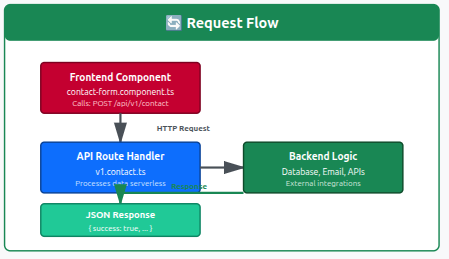
AnalogJS bridges the gap between frontend and backend by introducing API routes directly into your Angular project. You can now define serverless endpoint like /api/contact next to your components.
This unifies your stack, allowing you to write both frontend UI and backend logic in the same codebase using the same tools. This is useful when dealing with form handling, content fetching, or authentication without the need of having separate service.
5. Analog SFCs (Single File Components)
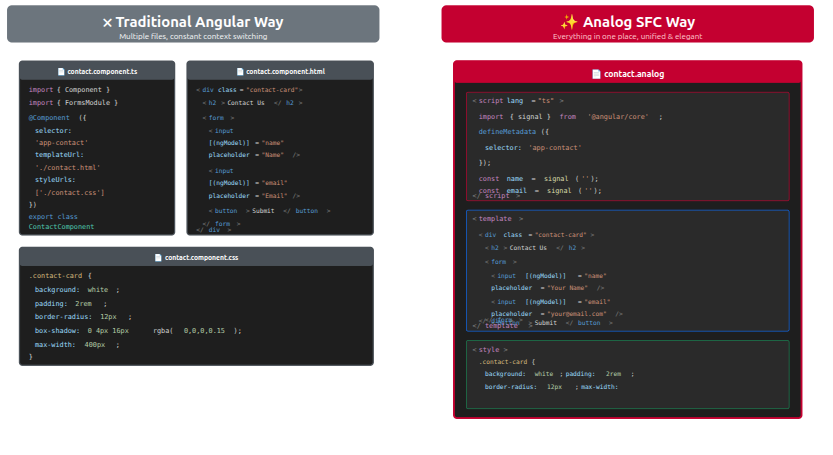
Analog SFCs bring a fresh approach to building components in Angular by combining the best of Angular's structure and Vue's elegance. Instead of managing separate files for templates, logic, and styles, you can keep everything in one cohesive .analog file.
This unified format simplifies development, keeps context in one place, and dramatically speeds up prototyping. You no longer have to jump between multiple files to edit a single component your HTML, TypeScript, and CSS live side by side, making the development process smoother and more intuitive.
Analog SFCs also enhance maintainability. Teams can quickly grasp component structure at a glance, onboarding new developers becomes easier, and refactoring is faster. Combined with Vite's hot module replacement, any changes you make instantly reflect in the browser, keeping your creative flow uninterrupted.
💡The Takeaway
AnalogJS doesn't reinvent Angular it amplifies it. It makes the framework faster, more flexible, and more enjoyable to work with. With Vite under the hood, streamlined SSR, and unified fullstack features, AnalogJS helps to improve Angular.
👉 Explore more at analogjs.org